Source Straight Tyre Brass Air Chuck for Car, Truck, and Bike
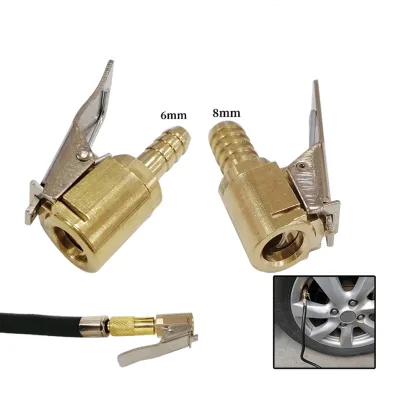
Compare 30 listings for straight tyre brass air chuck options from verified Chinese suppliers. Buyers can evaluate models like AC01, TAC-13, and 8mm variants based on material, thread type, and packaging details.
Key considerations
Products List






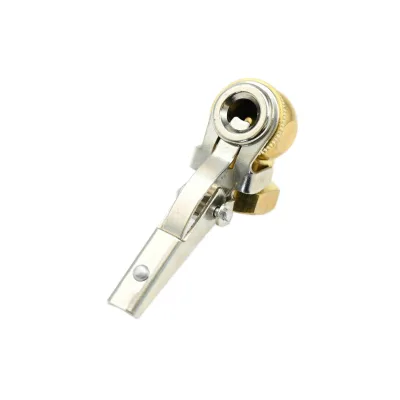
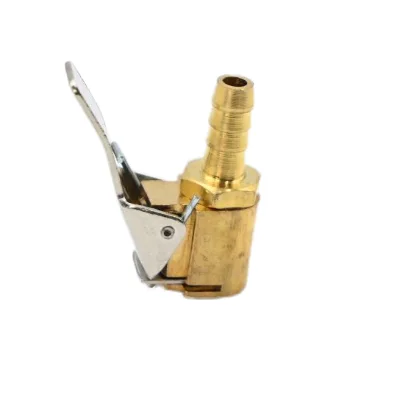
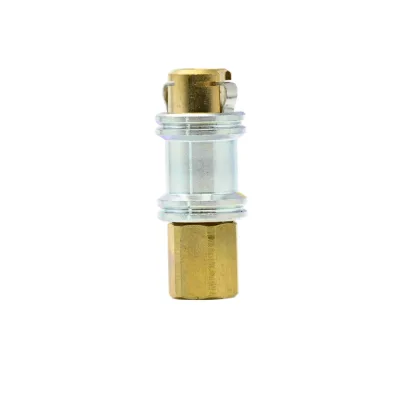
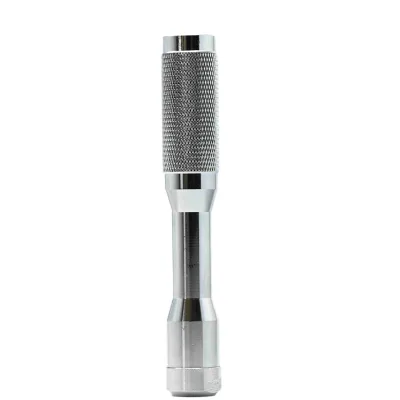


Comprehensive Sourcing Guide
Strategic Sourcing Guide for Straight Tyre Brass Air Chuck
Procuring straight tyre brass air chucks requires a nuanced understanding of material integrity, mechanical compatibility, and supply chain reliability. These components serve as the critical interface between inflation equipment and vehicle tires, ensuring a secure, leak-free connection during maintenance and repair operations. For B2B buyers, the decision-making process extends beyond simple unit pricing to encompass long-term operational efficiency, compliance with international standards, and the ability to scale orders without compromising quality. This guide synthesizes observed market data and technical attributes to provide a structured framework for evaluating potential suppliers and selecting the right product specifications for your inventory or operational needs.
Technical Specifications and Material Composition
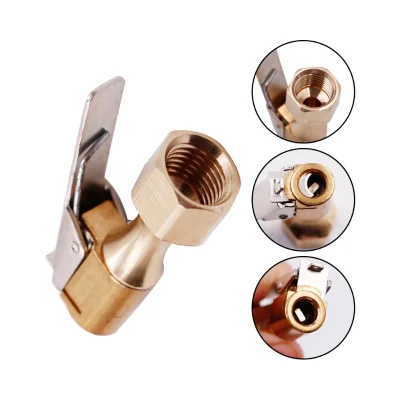
The core of a reliable air chuck lies in its material composition and dimensional precision. Market observations indicate that brass is the predominant material for high-performance straight tyre air chucks, valued for its corrosion resistance, durability, and malleability. Brass components, such as those identified in product listings with "Main Material: brass," offer superior longevity compared to plastic alternatives, particularly in environments exposed to moisture, road salts, or frequent temperature fluctuations. The specific alloy composition is often not explicitly detailed in general listings, necessitating that buyers request material certificates to verify the brass grade used.
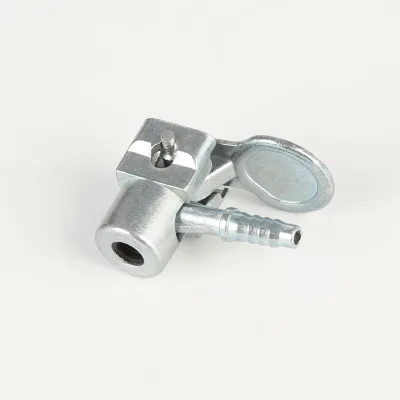
Dimensional consistency is equally critical. The product data highlights specific size variations, including models with dimensions such as 406mm, 408mm, and 40*16mm. These measurements typically refer to the length and diameter of the chuck body, which must align precisely with the valve stem of the tire to prevent air leakage. Furthermore, the thread type is a vital specification; listings reference "1/4 NPT" (National Pipe Thread) as a standard configuration. Buyers must verify that the thread pitch and diameter match the inflation hose or compressor fittings in their specific workflow. Mismatched threads can lead to cross-threading, equipment damage, and safety hazards.
The internal mechanism of the straight chuck also dictates its performance. While specific internal spring designs vary by manufacturer, the "Fast Inflate" and "Easy Operated" attributes observed in the market suggest a design focused on rapid air delivery and ergonomic handling. The "Universal" car fitment noted in several product descriptions implies compatibility with standard passenger and light truck tires, but this claim should be validated against the specific tire valve types (e.g., Schrader vs. Presta) used in the buyer's target market.
Compliance, Certification, and Quality Standards
Navigating the regulatory landscape is essential for B2B procurement, especially when exporting or importing industrial tools. The product data explicitly mentions certifications such as ISO and CE. These are not merely marketing labels but indicators of adherence to specific management and safety standards. ISO certification suggests that the manufacturer follows established quality management systems, ensuring consistent production processes. CE marking indicates compliance with European health, safety, and environmental protection standards, which is often a prerequisite for selling within the European Economic Area.
However, buyers must exercise caution. The presence of these certifications in a product listing does not guarantee that every batch or every specific model number carries the same certification status. It is imperative to request valid, up-to-date certification documents directly from the supplier for the specific model being ordered. Additionally, the "Standard" and "prod_standard" attributes found in the data suggest adherence to generic industry norms, but these are not substitutes for specific safety testing.
Quality assurance should also be verified through independent testing. Some product attributes mention "Testing Equipment Type: Car Fault Detector," which implies the supplier may have internal quality control processes. Buyers should inquire about the specific test protocols used to validate the air chuck's pressure retention and structural integrity under load. The "High Quality" and "Excellent" quality descriptors found in listings are subjective observations and should be treated as claims requiring verification through third-party inspection reports or sample testing before bulk ordering.
Cost Drivers and Pricing Dynamics
Understanding the cost structure of straight tyre brass air chucks helps buyers negotiate effectively and avoid hidden expenses. The observed price range in the market spans from $0.05 to $5.08 USD. This wide variance is driven by several factors, including the purity of the brass, the complexity of the machining, the level of customization, and the order volume. Lower-priced items often utilize lower-grade brass or simpler manufacturing processes, which may compromise durability. Conversely, higher-priced units typically offer enhanced features, such as reinforced internal springs, precision-machined threads, or specialized coatings.
Order Volume is a primary cost driver. The observed Minimum Order Quantity (MOQ) ranges from 1 to 1000 units. Suppliers often provide tiered pricing structures where the unit cost decreases significantly as the order quantity increases. For buyers with large-scale operational needs, targeting the higher end of the MOQ range can yield substantial savings. However, smaller buyers or those testing new markets may find the lower MOQ options more suitable despite the higher per-unit cost.
Customization is another significant factor influencing price. The data confirms that "Customization: Available" and "OEM: Accept customized packaging and logo" are common offerings. Adding a custom logo, modifying packaging (e.g., "Bag-Carton-Pallet" vs. "Carton"), or altering the product color (such as the "Yellow" variant observed) will incur additional tooling and setup costs. Buyers must balance the branding benefits of customization against the increased unit price and potential minimum order requirements.
Typical Applications and Operational Use Cases
Straight tyre brass air chucks are versatile tools designed for a wide array of applications, primarily centered around tire inflation and maintenance. The "Application: for Tire Inflate" and "Usage: tire infaltion" attributes confirm their primary function. These chucks are essential in automotive repair shops, fleet maintenance facilities, gas stations, and roadside assistance operations. Their "Universal" fitment makes them suitable for passenger cars, light trucks, and motorcycles, provided the valve stem type is compatible.
The "Hand Tool" classification indicates that these chucks are often used in manual inflation scenarios where precision and control are required. Unlike automated inflation systems, hand-held chucks allow technicians to adjust the airflow manually, preventing over-inflation and ensuring the tire reaches the exact recommended pressure. The "Fast Inflate" feature is particularly valuable in high-volume environments, such as tire shops or fleet depots, where efficiency directly impacts throughput and labor costs.
Beyond standard inflation, the robust construction of brass chucks makes them suitable for demanding environments. They are frequently used in industrial settings, agricultural machinery maintenance, and construction sites where equipment durability is paramount. The "18 Month" and "12 Months" warranty periods observed in the data suggest that manufacturers expect these tools to withstand regular, heavy-duty use. Buyers should consider the specific operational intensity of their environment when selecting a product; high-frequency users may prioritize the most durable models over cost-effective options.
Supplier Evaluation and Verification
Selecting the right supplier is as critical as selecting the right product. The product data reveals that the "prod_origin" is primarily "China," with specific mentions of "Qingdao" and "Zhejiang" as places of origin. These regions are known for their manufacturing capabilities in automotive tools and hardware. However, geographic origin alone does not guarantee quality. Buyers must conduct thorough due diligence on potential suppliers.
Key evaluation criteria include the supplier's ability to provide proof of the claimed certifications (ISO, CE) and their track record in meeting quality standards. The "Update Method: by Email" and "by Hard Disk" attributes suggest varying levels of digital communication and documentation support. Suppliers offering comprehensive digital documentation, including detailed technical drawings, material certificates, and quality control reports, are generally more reliable.
Buyers should also assess the supplier's flexibility regarding packaging and logistics. The data shows diverse packing options, ranging from "100pcs/box" to "1000pcs/carton" and "Carton-Pallet." The ability to customize packaging to suit specific shipping requirements or retail needs is a valuable service. Additionally, the "Selling Units: Multiple of 10" indicates that suppliers may have specific batch requirements that buyers must adhere to. Clear communication regarding these constraints is essential to avoid order delays or fulfillment issues.
Quality Control and Long-Term Procurement Considerations
Implementing a robust quality control (QC) strategy is vital for maintaining the integrity of the supply chain. Given the wide range of observed quality descriptors, from "High Quality" to "Excellent," buyers should not rely solely on supplier claims. Establishing a sampling protocol for incoming goods is recommended. This involves testing a random selection of units from each batch for air leakage, thread compatibility, and material durability. The "Gross weight per batch" data (e.g., 0.231 kg or 0.500 kg) can serve as a quick check for consistency; significant deviations from the expected weight may indicate material substitution or manufacturing defects.
Long-term procurement considerations extend beyond the initial purchase. The "Warranty" terms, ranging from 12 to 18 months, provide a safety net for defective products. Buyers should clarify the warranty process, including how claims are handled, who bears the cost of return shipping, and the timeline for replacements. A supplier with a clear, responsive warranty process adds significant value to the procurement relationship.
Furthermore, buyers should consider the scalability of the supply. The "Customization: Available" attribute suggests that suppliers can adapt to changing market needs, such as new branding requirements or specific product modifications. Building a partnership with a supplier who can grow with your business ensures a stable supply chain. Regular communication and periodic audits of the supplier's production capabilities can help maintain high standards and mitigate risks associated with supply chain disruptions.
Summary of Key Procurement Parameters
To facilitate quick decision-making, the following table summarizes the critical parameters observed in the market for straight tyre brass air chucks. Buyers should use this as a checklist during supplier evaluations and product selection.
| Parameter | Observed Range / Options | Verification Requirement |
|---|---|---|
| Material | Brass (Main Material) | Request material grade certificate |
| Thread Type | 1/4 NPT | Verify against existing hose fittings |
| Sizes | 406mm, 408mm, 40*16mm | Match to specific valve stem requirements |
| Certifications | ISO, CE | Request valid, model-specific certificates |
| MOQ | 1 - 1000 units | Confirm tiered pricing structure |
| Warranty | 12 - 18 Months | Clarify claim process and coverage |
| Packaging | Carton, Bag-Carton-Pallet, 100pcs/box | Ensure compatibility with logistics needs |
| Origin | China (Qingdao, Zhejiang) | Verify factory audit reports if required |
| Customization | Logo, Packaging, Color | Confirm additional costs and lead times |
By adhering to these guidelines and maintaining a rigorous approach to verification, B2B buyers can secure a reliable supply of straight tyre brass air chucks that meet their operational demands and quality expectations. The focus on material integrity, compliance, and supplier transparency ensures a procurement strategy that is both cost-effective and sustainable in the long term.
FAQs
What certifications do straight tyre brass air chucks typically have?
These products commonly hold ISO and CE certifications. Buyers should verify that specific batches carry valid documentation for these standards before placing bulk orders to ensure compliance.
Which material is used for the main body of these chucks?
Brass is the predominant material used for the main body. This choice provides superior corrosion resistance and durability compared to plastic alternatives in demanding environments.
How can buyers customize the packaging for these air chucks?
Customization is available for packaging and logos. Suppliers accept requests for specific packaging types like cartons or pallets, though this may affect the minimum order quantity.
What is the typical warranty period for these hand tools?
Warranty periods typically range from 12 to 18 months. Buyers should confirm the specific warranty terms with the supplier to understand coverage for defects during heavy use.
Can these chucks be used for universal tire inflation?
Yes, they are designed for universal car fitment. They are suitable for standard passenger and light truck tires, provided the valve stem type matches the chuck specifications.
What is the minimum order quantity for these products?
The minimum order quantity ranges from 1 to 1000 units. Lower quantities may have higher per-unit costs, while larger orders often benefit from tiered pricing structures.
Where are these straight tyre brass air chucks manufactured?
They are primarily manufactured in China, specifically in regions like Qingdao and Zhejiang. Buyers should verify the exact place of origin for each specific model ordered.